Wind: How wind influences KiteSurfing and Surfing
Discover the influence and difference of the wind, a natural phenomenon, which is essential for kitesurfing and at the same time can end a surfing session!
12/Dez/2023 - Luiza Coutinho - Surfguru crewWho is You don't get sick of the sea!
Kitesurfing and surfing lovers can enjoy most of their time in the water and take this phrase to heart. proof, now The two sports are at sea but depend on different wind conditions to practice. In this post you will learn you will finally understand which one is Here's the difference between the two and how a natural phenomenon can completely change a surfer's plans.
This post is sponsored by Corona, the official beer of Surfguru, surfing and nature. For the first time in Brazil, the brand will debut the Corona Sunsets World Tour Experience event in Brazil in the kitesurfers' paradise, Praia do Preá, Ceará. Corona is getting closer and closer to kitesurfing and showing why it is the best option. the beer that was born on the beach. If you You're curious and want to know more about this experience click here.
Winds: What they are, origin and types
Winds play a very important role, influencing the climate, relief and rain formation. In practice, winds are characterized by the displacement of air and the variation in atmospheric pressure over time.
"Winds arise from variations in atmospheric pressure, in areas of high pressure and low pressure. They blow, in general, from the highest areas to the lowest, in a kind of balance.” Excerpt from the post Brasil Escola
 They are in constant movement and are known to exist different types of wind, for example, breezes, cyclones, tornadoes, among others. Furthermore, they have different characteristics and can be dry, hot, moist or cold.
But now, let's talk about what we enjoy: when can these winds be good for us to go to the water?
In surfing, in general, the waves are more aligned and in better conditions when it is surfing. without wind or with onshore wind (when the wind comes from the land towards the sea). In these two situations, the sea becomes smoother and calmer, favorable for the formation of waves. The onshore wind, in turn, facilitates the formation of tubes. that the lip of the wave takes a little longer to fall, forming the famous “veil”.
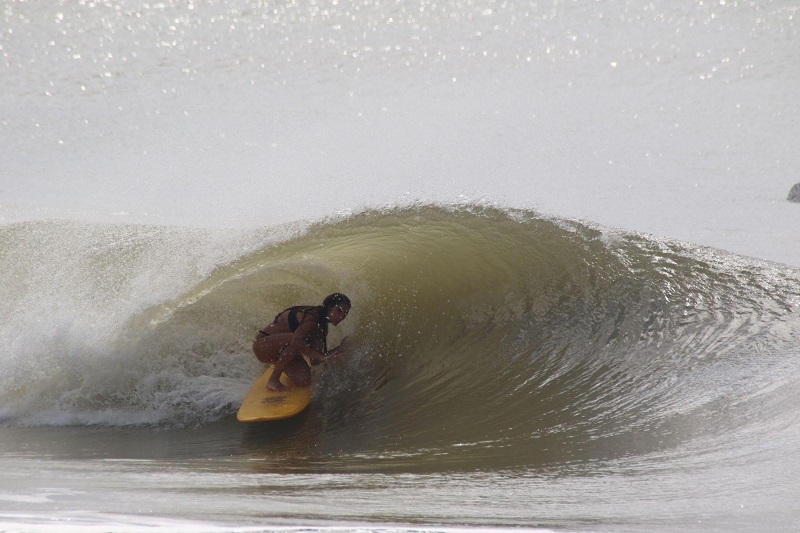 Luiza Coutinho by Ramon Lourenço
Who is it for? If you're a more advanced surfer who enjoys aerials, you won't mind an east or west wind, depending on the peak. They help with the flight and landing.
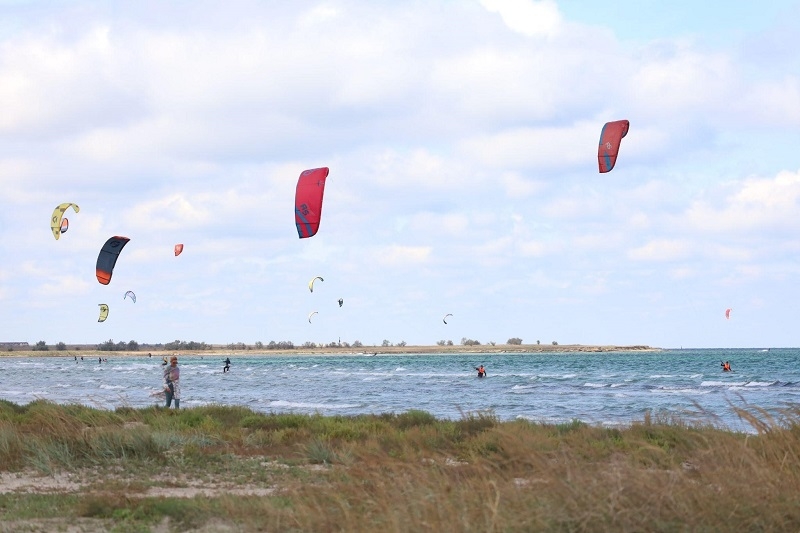
Now in kitesurfing the wind is strong. essential, no wind is necessary. It is impossible to raise the kite and sail. É a sport that sliding under water while being pulled by the kite is a sport. the base and for this you need a certain wind. The best wind for kitesurfing beginners is the wind. what blows parallel to the beach because if there is any problem the sailor will be close to the shore and can leave with more peace of mind.
Now, just imagine; sail with the onshore wind? In addition to the wind becoming gusty, making landing and takeoff difficult, the sailor can be directed towards the high seas.
And you, are you? from the kitesurfing or surfing team? Or do you keep both? In Rio de Janeiro, for example, it is It is possible to surf in the morning; very early in the morning with no wind or onshore wind, and take advantage of the east wind to sail to the sea. afternoon. Not bad!.
Vídeos | Mais Vídeos
-
Festival de Surf e Ciência, cultura oceânica e limpeza de praia em Regência - ES
-
Expression Session #7: Fábio Sandes — longevidade e bem-estar no surf com o método surf resistência
-
Fernando de Noronha: swell refratário e altas ondas no Bode
-
Expression Session #6: Caio Freire fala sobre surf, Setiba, comunidade e o Shaka Surf Park
-
Temporada de surf em Noronha: as melhores ondas de 2026
-
Expression Session #5: Marcelo Trekinho e sua trajetória desde o Surf Adventures até o UARADEI
-
Swell de Norte em Noronha: Cacimba do Padre bombando com a galera do Surfguru
-
SURFISTA ÍTALO-BRASILEIRO DESTACA EVOLUÇÃO EM SESSÃO NOS SUPERTUBOS, EM PENICHE
-
VIDEO: Piscina de ondas em Búzios: conheça o projeto do Brasil Surfe Clube
-
Expression Session #4: Eduardo "Rato" Fernandes revela bastidores do Surf Adventures e da Urca do Minhoto