Surfing the Waves of History: The Evolution of Surfboards
Surfing and the evolution of surfboards have intrinsically linked histories
08/Dez/2023 - Críscia Cesconetto - Surfguru crewIf there is something that can be considered a true global passion, capable of transcending borders and cultures, it is surfing. This sport, born in the waves of Hawaii, has a fascinating history that is intertwined with the evolution of surfboards over time. From the sturdy wooden planks of the Polynesians to With today’s modern, technological boards, the surfing journey is a complete one. A narrative full of innovation, adventures and changes. This content was made in collaboration with Corona , Surfguru's official beer and official sponsor of surf and nature!
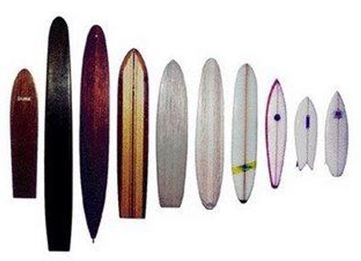
How surfboards have evolved over time
The Cradle of Waves: Hawaii and the First Tablets
The roots of surfing are in Polynesian culture, specifically in Hawaii, where waves were considered a tribute to the ocean. The boards, known as "papa he'e nalu" In the Hawaiian language, they were originally carved from wood from local trees, such as koa. These planks were veritable vessels, often exceeding 15 feet in length, and were notably heavy compared to modern planks.
Over the years, board design has advanced, incorporating fins on the back to improve directional stability and introducing improvements in shape and materials. Modern boards are constructed with polyurethane or polystyrene foam, covered with fiberglass and polyester or epoxy resin. This combination results in light, resistant and agile boards, with recent innovations introducing carbon fiber into manufacturing.
California Dreaming: The Rise of Foam and Fiberglass Surfboards
In the 1950s, in sunny California, surfboards underwent a significant revolution. The transition from heavy wooden planks to foam and fiberglass planks was led by pioneers like Bob Simmons. Iconic locations such as Rincon-Delmar, Redondo, Windandsea, Trestles and Malibu were stages of this transformation.
Surfing culture gained prominence with figures like Mickey "Mr. Malibu" Dora, one of the first athletes to influence the surfing scene in the 50s and 60s. This era was marked by the elegance of board riding, where the "cutback" reigned as the main maneuver.
The Renaissance of Malibu Style: Longboard and Innovations
While surfing in California continued its evolution, in the 1980s, in Byron Bay, Australia, a resurrection of the Malibu style, known as "longboard" , was about to happen. This trend didn't take long to reach manufacturers, who returned to producing boards in the classic style.
In Brazil, the history of surfing had its crucial moments. In 1938, on Santos beach, Osmar Gonçalves built the first surfboard using instructions from an American magazine. Surfing gained strength on Rio's beaches in the 1950s, when tourists and young people returning from the USA adopted the sport. In the 70s and 80s, media support and professionalization boosted surfing in Brazil, making the country the third world power in the sport. p>
Surfing: A Tribute to the Ocean and a Journey Through the Ages
Surfing is not easy. just one sport; is It is an ancient tradition that dates back to Hawaiian kings. Practicing surfing was a ceremony to honor the energy of the ocean. Even with the arrival of Captain James Cook in Hawaii; In the 18th century, surfing survives and, thanks to icons like Duke Kahanamoku, gained global popularity.
The history of surfboards is history. intrinsically linked to the evolution of surfing itself. From solid wooden planks to solid wood flooring. From today's masterpieces of polyurethane and fiberglass, each era has brought innovations that have shaped the sport. Surfing is great. It is an endless journey on the waves, a dance between man and the ocean, with the boards ing silent witnesses to this history.
Vídeos | Mais Vídeos
-
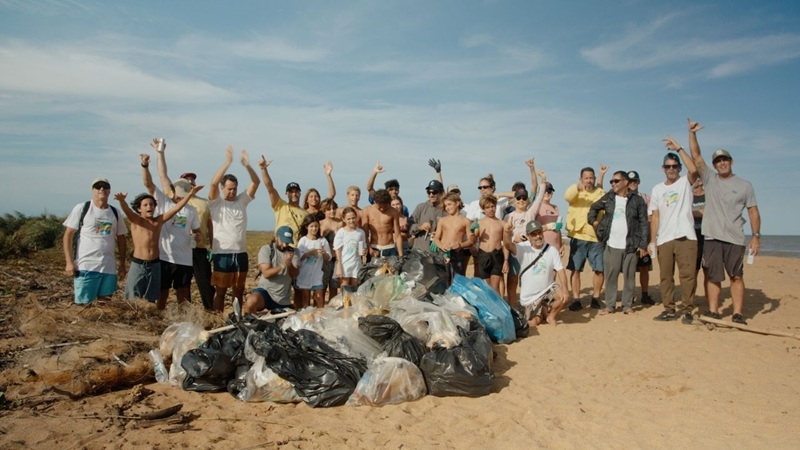
Festival de Surf e Ciência, cultura oceânica e limpeza de praia em Regência - ES
-
Expression Session #7: Fábio Sandes — longevidade e bem-estar no surf com o método surf resistência
-
Fernando de Noronha: swell refratário e altas ondas no Bode
-
Expression Session #6: Caio Freire fala sobre surf, Setiba, comunidade e o Shaka Surf Park
-
Temporada de surf em Noronha: as melhores ondas de 2026
-
Expression Session #5: Marcelo Trekinho e sua trajetória desde o Surf Adventures até o UARADEI
-
Swell de Norte em Noronha: Cacimba do Padre bombando com a galera do Surfguru
-
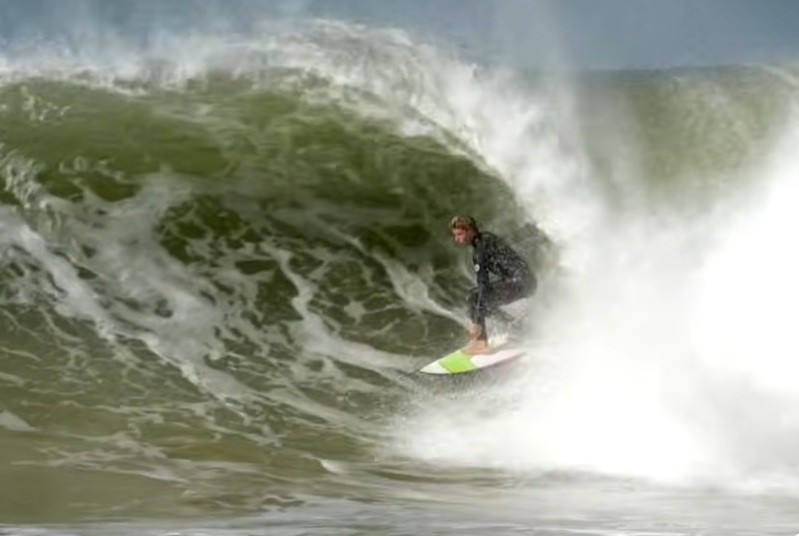
SURFISTA ÍTALO-BRASILEIRO DESTACA EVOLUÇÃO EM SESSÃO NOS SUPERTUBOS, EM PENICHE
-
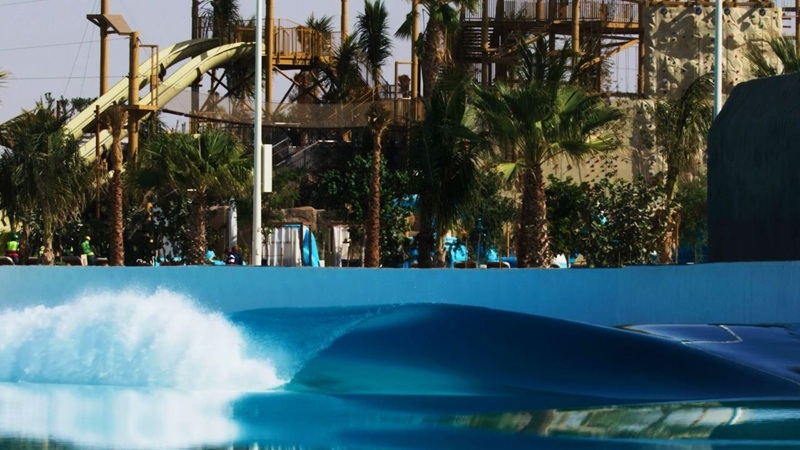
VIDEO: Piscina de ondas em Búzios: conheça o projeto do Brasil Surfe Clube
-
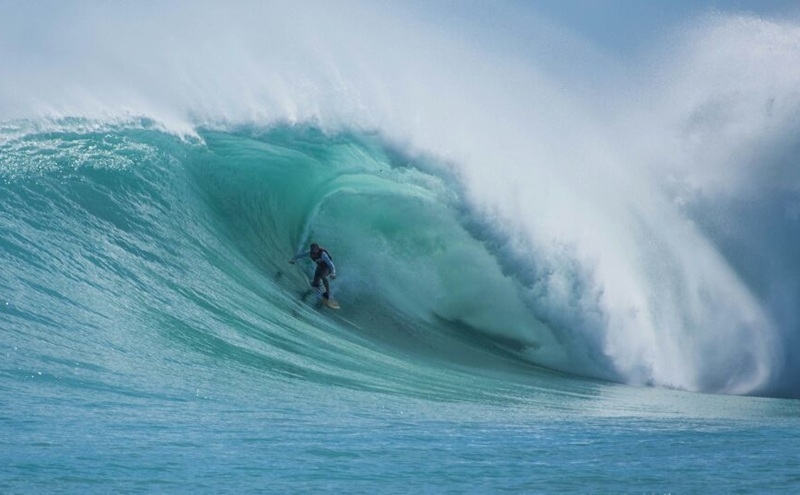
Expression Session #4: Eduardo "Rato" Fernandes revela bastidores do Surf Adventures e da Urca do Minhoto